Introduction
When embarking on a new construction project, home builders face a myriad of decisions, particularly when it comes to material selection. Among the most crucial choices is the type of timber to use. Softwood timber has emerged as a popular choice due to its numerous advantages, ranging from cost-effectiveness to versatility and sustainability. This article delves into why softwood timber stands out as the ideal option for home builders, exploring its properties, applications, and benefits while contrasting it with hardwood timber.
Softwood Timber: The Versatile Choice for Home Builders
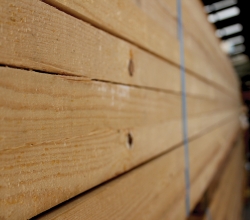
Softwood timber is derived from coniferous trees such as pine, spruce, and fir. These trees are typically faster-growing than hardwoods and offer a unique set of features that make them particularly appealing for residential construction. One reason why softwood is favored by builders is its light weight compared to hardwoods, making it easier to handle and transport.
Why Choose Softwood Timber?
Affordability- Softwood timber tends to be more affordable than hardwood timber. The lower cost does not compromise quality but rather reflects its abundance and faster growth rates.
- Many softwoods are sourced from sustainable forests that practice responsible forestry techniques, ensuring minimal environmental impact.
- Softwood can be used in various applications, including framing, flooring, cabinetry, and structural elements.
- Softwoods are generally easier to cut, shape, and join than hardwoods due to their softer nature.
- With a variety of grains and finishes available, softwoods can complement any design style—modern or traditional.
Common Types of Softwood Timber
Understanding the different types of softwoods available can help builders make informed choices based on their specific needs.
Pine
Pine is one of the most widely used softwoods in construction due to its availability and affordability. It offers strength while remaining lightweight.
Spruce
Spruce is known for its excellent strength-to-weight ratio and is often used in structural applications like beams and trusses.
Fir
Fir timber provides durability and resistance to decay, making it a great choice for outdoor applications such as decking or fencing.
Applications of Softwood Timber in Home Construction
Softwood timber serves various roles within residential projects:
Framing
The primary use of softwood lies in framing structures due to its strength and load-bearing capabilities.
Flooring
Softwood floors provide warmth and aesthetic appeal while being easier on the wallet compared to hardwood options.
Cabinetry & Furniture
Many kitchen cabinets are made from softwoods because they can be easily stained or painted without losing their natural beauty.
Trim Work & Molding
Softwoods are perfect for trim work since they can be easily shaped into intricate designs that enhance interior decor.
Comparing Softwood Timber with Hardwood Timber
While both softwoods and hardwoods have their merits, understanding the differences can guide builders in their selections:
| Feature | Softwood Timber | Hardwood Timber | |------------------------|----------------------------|---------------------------| | Cost | Generally lower | Typically higher | | Weight | Lighter | Heavier | | Growth Rate | Faster | Slower | | Durability | Varies by species | Generally more durable | | Workability | Easier to work with | More challenging |
The Role of Timber Wholesale Suppliers
For builders looking to source materials efficiently, partnering with reputable timber wholesale suppliers can streamline the procurement process significantly. These suppliers typically offer bulk purchasing options at competitive prices while ensuring quality standards are met.
Benefits of Using Softwood Timber in Home Building Projects
Using softwood offers multiple benefits:
1. Cost-Efficiency
Home builders often operate under tight budgets; using softwoods allows substantial savings without sacrificing quality or aesthetics.
2. Speedy Construction
Due to its lighter weight and ease of handling, projects using softwoods can progress at a quicker pace—a crucial factor when deadlines loom large.
3. Thermal Properties
Softwood has good Softwood Timber insulation properties; this contributes positively towards energy-efficient homes by reducing heating costs during winter months.
Important Considerations When Choosing Softwood Timber
While there are many advantages associated with using softwoods, several considerations should also be taken into account:
- Ensure you select treated wood if using outdoors since untreated wood may succumb quickly to insects or rot. Check local building codes regarding fire ratings as some areas may have restrictions on certain types of wood. Familiarize yourself with different finishes available; some treatments may alter the natural appearance significantly based on your design goals.
How Does Climate Affect Softwood Timber Selection?
Climate plays an integral role in determining which type of softwood will perform best under specific conditions:
- In humid climates where moisture retention is high—opt for species known for resistance against rot. Cold climates may benefit from harder varieties that resist splitting during freeze-thaw cycles.
FAQs about Softwood Timber: The Versatile Choice for Home Builders
What is the difference between softwood and hardwood?- The primary difference lies in their origin; softwoods come from coniferous trees while hardwoods come from deciduous trees.
- Yes! Many types of softwoods like spruce are highly regarded for their strength-to-weight ratio making them perfect for framing structures.
- Absolutely! Softwoods take stains well but ensure surface preparation aligns with your desired finish outcome.
- Regular cleaning along with occasional refinishing will help preserve both the look and longevity over time.
- Not necessarily; always check certifications like FSC (Forest Stewardship Council) when sourcing materials.
- Look into supplier reputation, product quality assurance processes along with delivery timelines before finalizing any deals!
Conclusion
In conclusion, softwood timber undeniably presents itself as an exceptional choice for home builders seeking versatility without compromising performance or budgetary constraints. Its myriad applications—from framing structures to crafting beautiful furniture—underscore its relevance in modern construction practices today! By understanding how different varieties function within distinct environments coupled with assessing local availability through reliable timber wholesale suppliers; homeowners can confidently select materials tailored precisely towards achieving their dream homes efficiently yet aesthetically pleasingly!